
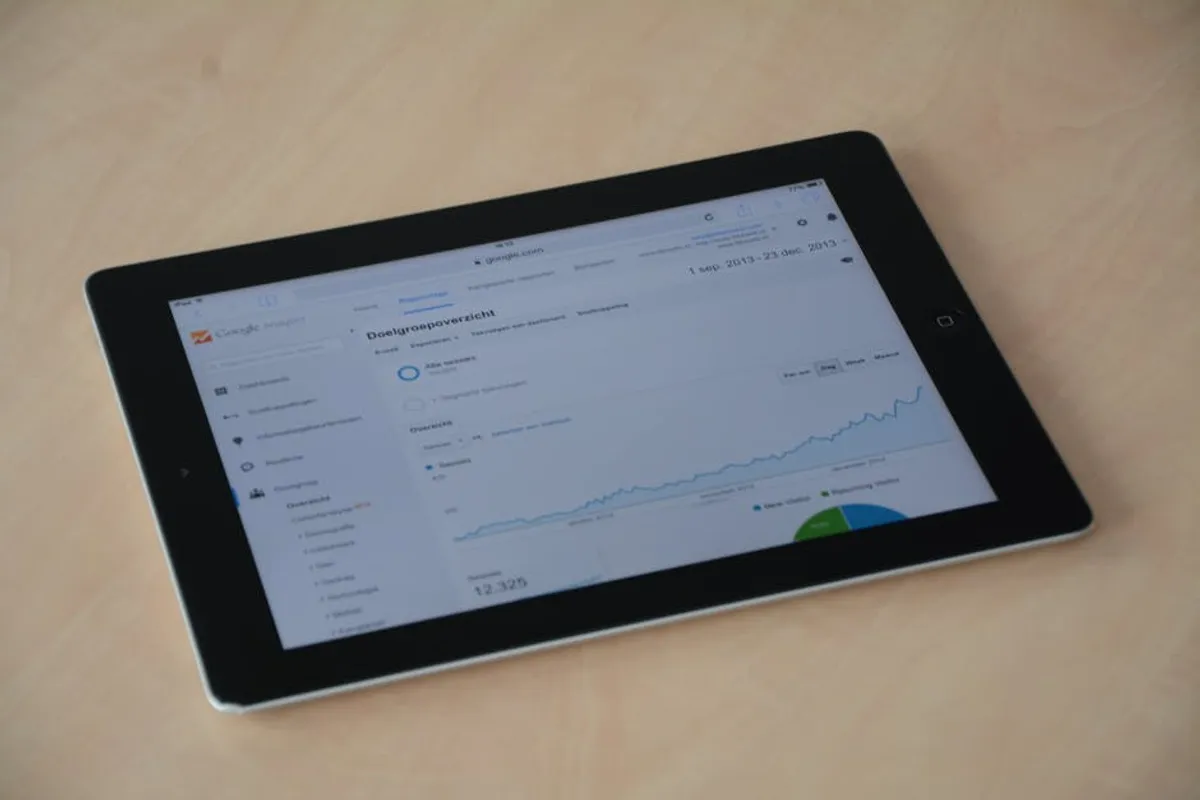
Analyzing Google search engine results pages (SERPs) is fundamental for effective search engine optimization. The dynamic nature of Google’s algorithms and the personalized search experience mean that manual, ad-hoc checks offer an incomplete picture of performance. SERP checker tools address this by providing structured, scalable data on how content ranks, what features appear, and how competitors perform for specific keywords across various locations and devices. Understanding how to leverage these tools transforms raw data into actionable insights for content strategy, technical SEO adjustments, and competitive positioning.
Core Functionalities of SERP Checker Tools
SERP checker tools are designed to automate and aggregate critical data points from Google search results. Their primary utility lies in providing a consistent, auditable record of search visibility that manual checks cannot replicate.
- Keyword Position Tracking: These tools monitor the ranking positions of specified keywords for your domain and often for competitor domains. This tracking can be configured for daily, weekly, or on-demand updates, providing a historical log of performance fluctuations.
- SERP Feature Identification: Beyond organic listings, SERPs include various features like Featured Snippets, People Also Ask (PAA) boxes, local packs, image carousels, video results, and shopping ads. SERP checkers identify the presence and position of these elements, indicating opportunities or threats.
- Geographic and Device-Specific Results: Google's SERPs vary significantly by user location and device type (desktop vs. mobile). Tools allow for specifying precise locations (country, state, city, or even postal code) and device types to reflect target audience search behavior accurately.
- Competitor Monitoring: Users can track competitor rankings for shared keywords, observe their SERP feature dominance, and identify gaps in their content strategy. This provides a data-driven view of the competitive landscape.
- Historical Data Retention: A key advantage is the ability to store and visualize historical ranking data, allowing SEOs to identify trends, measure the impact of algorithm updates, and evaluate the long-term effectiveness of optimization efforts.
Key Features for Effective SERP Analysis
When selecting or utilizing a SERP checker tool, certain features enhance the depth and utility of the analysis. Prioritize tools that offer granular control and comprehensive data presentation.
Accuracy and Data Freshness: The tool should consistently retrieve current SERP data, reflecting real-time Google results as closely as possible. Daily updates are often sufficient for most tracking needs, but some tools offer on-demand checks for immediate analysis.
Granularity in Location and Device: The ability to specify precise geographic locations (e.g., city-level) and differentiate between desktop and mobile results is crucial for localized SEO strategies and understanding mobile-first indexing impacts.
SERP Feature Detection: A robust tool identifies and categorizes all prominent SERP features, not just organic positions. This includes rich snippets, knowledge panels, local packs, and PAA boxes, providing a complete picture of search visibility opportunities.
Reporting and Export Options: Look for flexible reporting that allows for custom dashboards, scheduled reports, and easy data export (CSV, Excel) for further analysis or integration with other reporting platforms.
API Access: For advanced users, agencies, or enterprises, API access enables programmatic data retrieval, integration with internal dashboards, and custom analysis workflows.
Applying SERP Checker Data to Your SEO Strategy
The real value of SERP checker tools emerges when their data is systematically applied to refine and improve SEO efforts. Here are practical applications:
Tracking Keyword Performance and Identifying Trends
Regularly review keyword position reports to identify sudden drops or gains. A significant drop might indicate an algorithm penalty, technical issue, or increased competition. A gain could signal successful content optimization or a positive algorithm update. Analyzing these trends over time helps in understanding content decay or growth patterns.
Gleaning Competitor Insights
Track competitor rankings for your target keywords. Observe which SERP features they occupy. If a competitor consistently appears in Featured Snippets for high-value terms, analyze their content structure and schema markup to identify replication opportunities. Understanding their top-performing keywords can also inform your own content gap analysis.
Identifying SERP Feature Opportunities
Use the SERP feature data to pinpoint where rich results are present. If a PAA section exists for a target keyword, structure your content to directly answer common questions. If video results dominate, consider creating video content. This direct mapping of content to SERP features can significantly increase visibility beyond traditional organic listings.
Pro Tip: When analyzing SERP feature data, pay close attention to the intent behind the feature. A local pack indicates local intent, while a PAA box suggests informational intent. Aligning your content with the dominant intent of the SERP feature is more effective than simply trying to appear in every feature type.
Monitoring Local SEO Performance
For businesses with a physical presence, use location-specific tracking to monitor local pack rankings and local organic results. This verifies the effectiveness of local SEO efforts, such as Google Business Profile optimization and local citation building. Discrepancies between national and local rankings often highlight areas for geographic targeting improvement.
Refining Content Strategy and Structure
Analyze the top-ranking pages for your keywords within the SERP checker. Observe their content depth, structure, and the types of media used. If all top results are long-form guides, a short blog post may not suffice. If they all include product comparison tables, integrate similar elements into your content. This direct analysis of successful content informs your own creation process.
Practical Takeaways for Google Results Analysis
Effective SERP analysis requires more than just collecting data; it demands strategic interpretation. Regularly review your keyword portfolio, segmenting by intent (informational, commercial, navigational) and priority. Cross-reference SERP data with your website's analytics to understand how ranking changes translate into traffic and conversions. Automate reporting where possible to free up time for deeper analysis rather than manual data compilation. Focus on identifying patterns and anomalies that inform your next strategic move, whether it's content expansion, technical fixes, or competitive counter-strategies.
Frequently Asked Questions
Q: How often should I check my SERP rankings?
A: For most businesses, daily or weekly checks are sufficient to track trends and react to significant changes. High-volume, competitive keywords may warrant more frequent monitoring.
Q: Can SERP checker tools predict algorithm updates?
A: No, these tools do not predict updates. However, by tracking ranking volatility across a broad keyword set, they can help you identify when an update has occurred and assess its impact on your site.
Q: Are all SERP checker tools equally accurate?
A: Accuracy can vary. Factors like the frequency of data collection, the number of data centers used for querying, and the precision of location/device targeting can influence results. It's important to choose a tool known for its reliability.
Q: Do SERP checker tools affect my website's SEO?
A: No, using a SERP checker tool itself does not directly impact your website's SEO. They are analytical tools that observe public search results, not interact with your site's ranking signals.