Analyzing Racklegend's search presence offers a clear lens into the content strategies required for businesses operating within the IT infrastructure and data center equipment niche. Understanding how a domain like Racklegend captures organic traffic reveals the specific informational needs and commercial intents of its target audience, providing actionable insights for SEO teams aiming to replicate or improve similar visibility patterns in competitive B2B markets. This profile examines Racklegend's apparent content strategy, audience engagement, and potential for expanded search visibility.
What Racklegend Appears to Cover
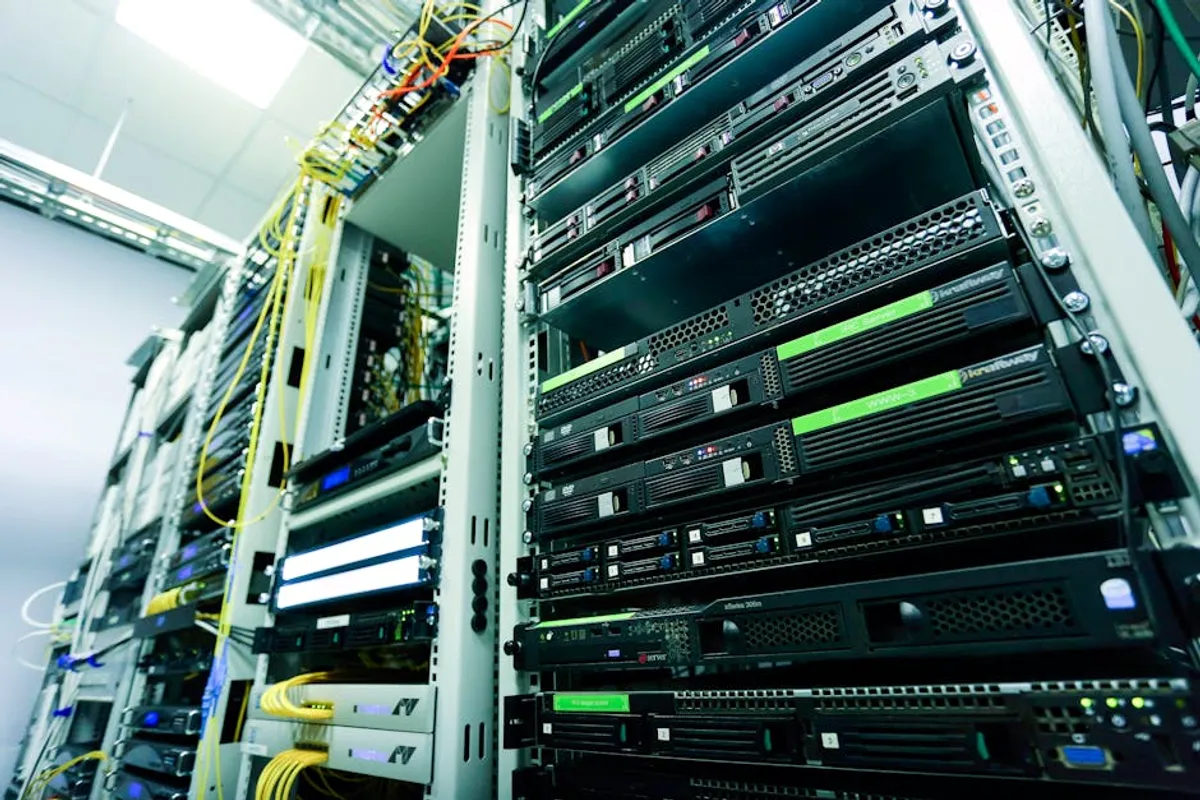
Racklegend's content strategy centers on the comprehensive coverage of server racks, network cabinets, and related data center infrastructure components. The site publishes detailed product specifications, often including dimensions, weight capacities, material composition, and compatibility information for various IT hardware. Beyond product listings, the content extends to practical application guides, such as articles detailing proper airflow management within server enclosures, considerations for power distribution unit (PDU) selection, and best practices for cable organization. This suggests a focus on educating potential buyers and supporting existing customers with technical knowledge.
The site also appears to address specific industry standards and compliance requirements relevant to data center operations. This includes content on environmental controls, physical security features for cabinets, and the benefits of different rack configurations (e.g., open-frame versus enclosed, wall-mount versus floor-standing). Topic clusters likely revolve around core themes such as "data center design," "server room optimization," "network hardware installation," and "IT infrastructure scalability," catering to both initial setup and ongoing maintenance needs.
Where Its Search Traffic May Come From
Organic search traffic for Racklegend likely originates from a mix of informational, commercial investigation, and transactional queries. Informational searches would include users seeking definitions, explanations, or comparisons of different rack types or features, such as "what is a 42U server rack" or "advantages of perforated server doors." Commercial investigation traffic would involve users researching specific product categories or solutions to problems, for instance, "best server cabinet for small office" or "rackmount PDU with surge protection."
Transactional intent is captured through direct product searches like "buy 19-inch rackmount shelf" or "Racklegend 24U network cabinet price." Long-tail keywords are particularly crucial in this niche, as buyers often use very specific terms related to dimensions, compatibility, or unique features. For example, queries like "Dell R740 compatible rack rails" or "soundproof server cabinet for recording studio" indicate a precise need. The site's visibility for these granular searches suggests a content strategy that delves into niche product details and use cases.
Search Intent Behind Racklegend
Racklegend targets a diverse range of search intents, reflecting the complex buying journey for IT infrastructure. Informational intent is addressed through foundational articles explaining technical terms, product benefits, and setup considerations. These pieces serve to educate users in the early stages of their research, establishing Racklegend as a knowledgeable resource. Commercial investigation intent is met with content that facilitates product comparisons, highlights specific features, and offers guidance on selecting the right equipment for particular applications.
The site also caters to transactional intent with clear product pages, specifications, and calls to action, directly supporting users ready to make a purchase. Furthermore, there's an element of problem-solving intent, where users search for solutions to common IT infrastructure challenges, such as overheating servers, tangled cables, or inadequate security. Racklegend's content appears to anticipate these pain points, offering articles on cooling solutions, cable management techniques, and secure cabinet options, thereby positioning its products as direct answers to user needs.
Why Traffic May Rise or Fall
Racklegend's organic traffic patterns are influenced by several factors inherent to the IT infrastructure market. Traffic may rise with the introduction of new data center technologies or industry trends, such as edge computing deployments or increased demand for specialized cooling solutions, prompting searches for compatible rack systems. Comprehensive content updates that reflect evolving technical specifications or compliance standards can also boost visibility. An increase in external citations from reputable industry publications or forums, signifying authority, could also contribute to traffic growth.
Conversely, traffic could decline if the content becomes outdated, failing to address the latest hardware requirements or industry best practices. Stagnant content strategies that do not capture emerging long-tail queries, or technical SEO issues such as poor mobile performance or slow page load times, could also lead to a drop in rankings and subsequent traffic. Economic downturns affecting IT spending or increased competition from new market entrants offering similar products and content could also impact visibility.
How the Site Could Improve Organic Visibility
To enhance organic visibility, Racklegend could expand its content library to include more advanced troubleshooting guides and use-case specific scenarios. For instance, creating in-depth articles on integrating specific rack systems with popular server brands or network hardware, or guides on optimizing rack layouts for specific applications like AI/ML clusters, would capture highly targeted long-tail traffic. Implementing structured data markup (e.g., Product, How-To, FAQ schema) across relevant pages would help search engines better understand and display content in rich results.
A deeper dive into competitor content gaps could reveal opportunities for creating definitive guides that outperform existing resources. This might involve producing more video content for installation tutorials or product demonstrations, which cater to visual learners and can rank well on platforms like YouTube, subsequently driving referral traffic. Strengthening internal linking between related product categories and informational articles would also improve crawlability and distribute page authority more effectively across the site, signaling content depth to search engines.
What to Check Before Trusting Traffic Estimates
When evaluating public traffic estimates for a domain like Racklegend, it is crucial to recognize their inherent limitations. These estimates are often based on sampled data, keyword ranking correlations, or proprietary algorithms, none of which provide the granular accuracy of direct analytics access. Factors such as the site's specific niche, the prevalence of branded versus non-branded searches, and the overall size and authority of the domain can significantly influence the reliability of these projections.
Niche B2B sites, especially those in specialized hardware sectors, may appear to have lower overall traffic numbers compared to broad consumer-facing sites. However, the commercial intent behind these searches is often much higher, leading to better conversion rates despite smaller visitor volumes. Therefore, a critical assessment should focus on the quality and relevance of the estimated keywords, rather than solely on the raw traffic figures. Direct access to a site's Google Search Console and analytics data remains the only definitive source for understanding true organic performance and user behavior.
Frequently Asked Questions About Racklegend's Search Presence
What types of content does Racklegend publish?
Racklegend publishes detailed product specifications, installation guides, technical articles on data center infrastructure, and best practices for server rack and network cabinet management.
Who is Racklegend's primary audience?
The primary audience includes IT professionals, data center managers, network administrators, small to medium-sized businesses, and enterprises responsible for setting up or maintaining server and network infrastructure.
How does Racklegend address different search intents?
Racklegend addresses informational intent through educational articles, commercial investigation intent with product comparison and solution-oriented content, and transactional intent via direct product pages and specifications.
What are common content gaps for sites like Racklegend?
Common content gaps often include comprehensive troubleshooting guides for complex setups, advanced use-case scenarios for specific industries, or highly localized content addressing regional market needs and regulations.